Yeast-Fermented Koji Rice Base
Called amazake by MURI. The described preparation includes koji on steamed rice followed by fermentation of the liquid with cultivated yeast.[6]
Service signal
Creamy, gently sweet, sake-like.
 Koji Fermentation
Also known as: koji
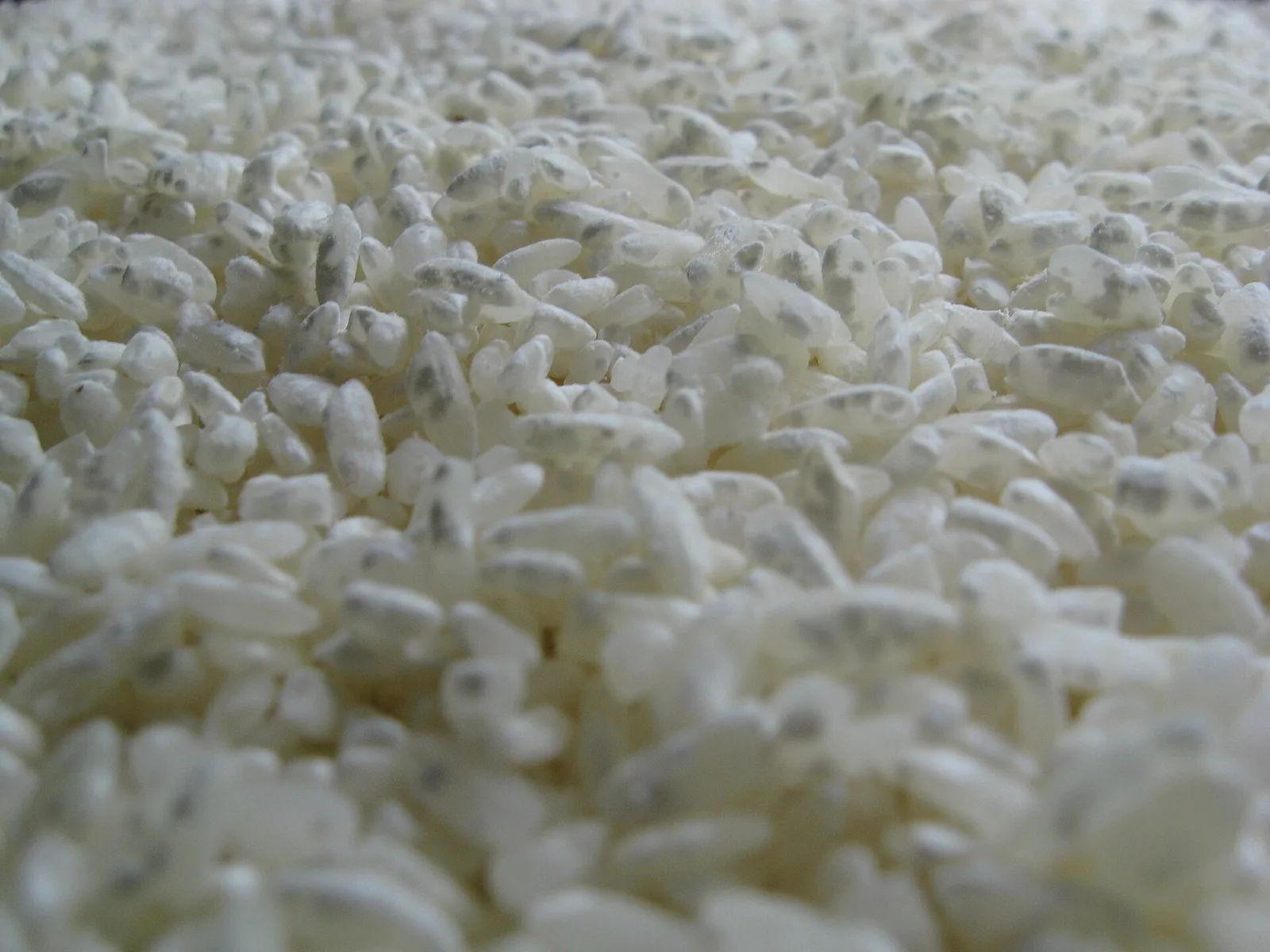
Cultivating koji mould, such as Aspergillus oryzae, on rice or other grains to produce enzymes that release sugars from starch and break down proteins. These enzymes support preparations ranging from sweet rice-koji amazake to fermented beverage bases.
Koji mould grows on steamed grain and produces enzymes. Amylases break starch into sugars, a process called saccharification; other enzymes break proteins down into amino acids and smaller compounds. Rice-koji amazake uses this starch-to-sugar conversion for sweetness without requiring yeast fermentation. Where yeast fermentation is part of the process, yeast converts sugars into alcohol and carbon dioxide. In sake, sugar release and yeast fermentation take place together in the same mash.
Developing sweetness and savoury depth in grain-based drinks, and supplying sugars for further fermentation.
How producers use Koji Fermentation
Each bottle shows the technique through a concrete substrate and role: base, acid structure, aroma, texture, bitterness, or lift.
Called amazake by MURI. The described preparation includes koji on steamed rice followed by fermentation of the liquid with cultivated yeast.[6]
Creamy, gently sweet, sake-like.
Koji rice amazake is confirmed. The yeast and lacto accounts for further fermentation remain unreconciled.[7]
Works as a liquid component.
The source names koji amazake. The extra yeast-fermentation stage described for the Koji Rice Series is not transferred to this preparation.[8]
Works as a liquid component.