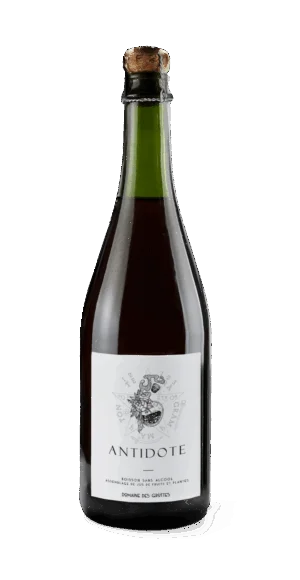
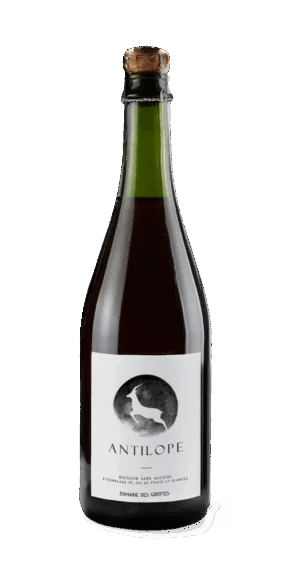
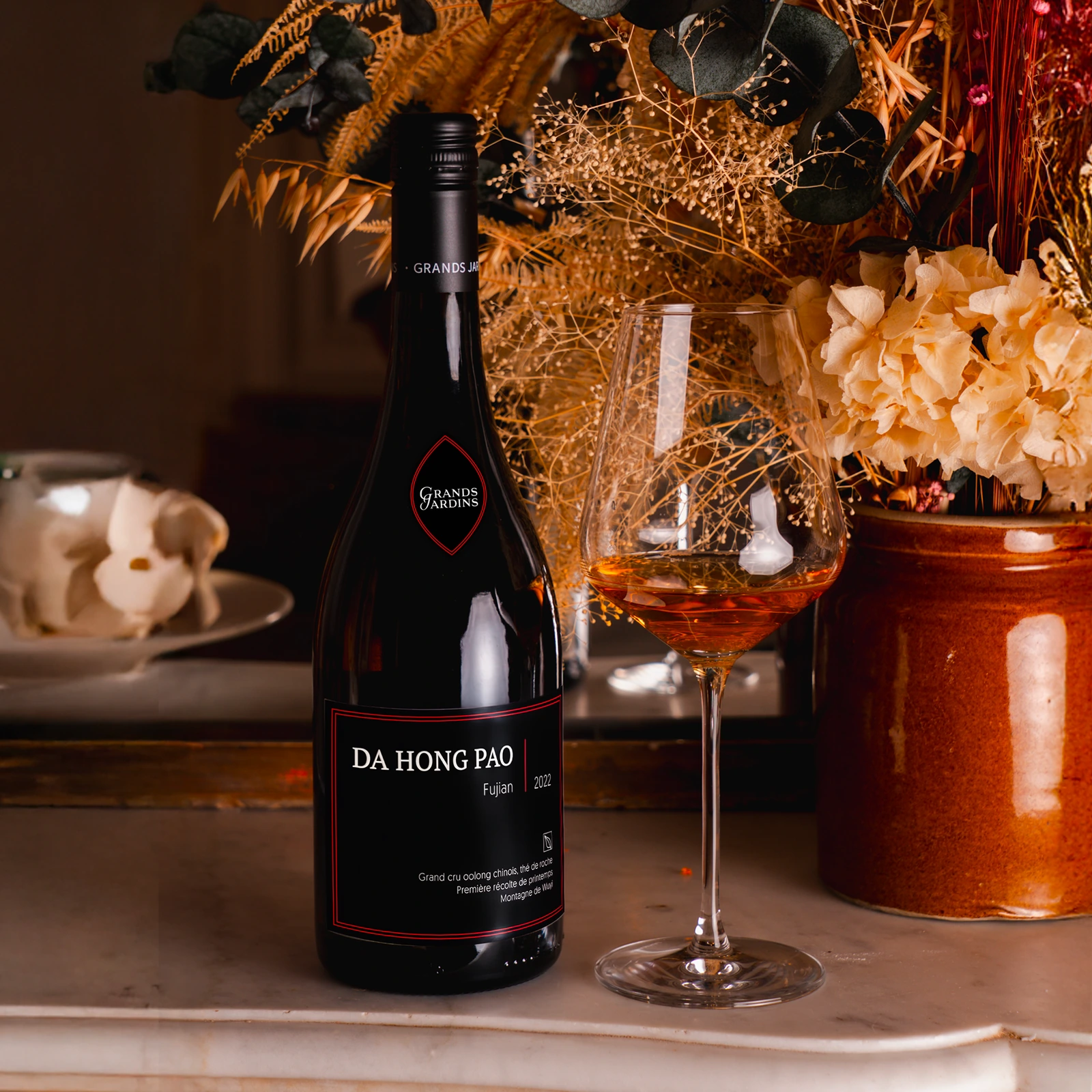
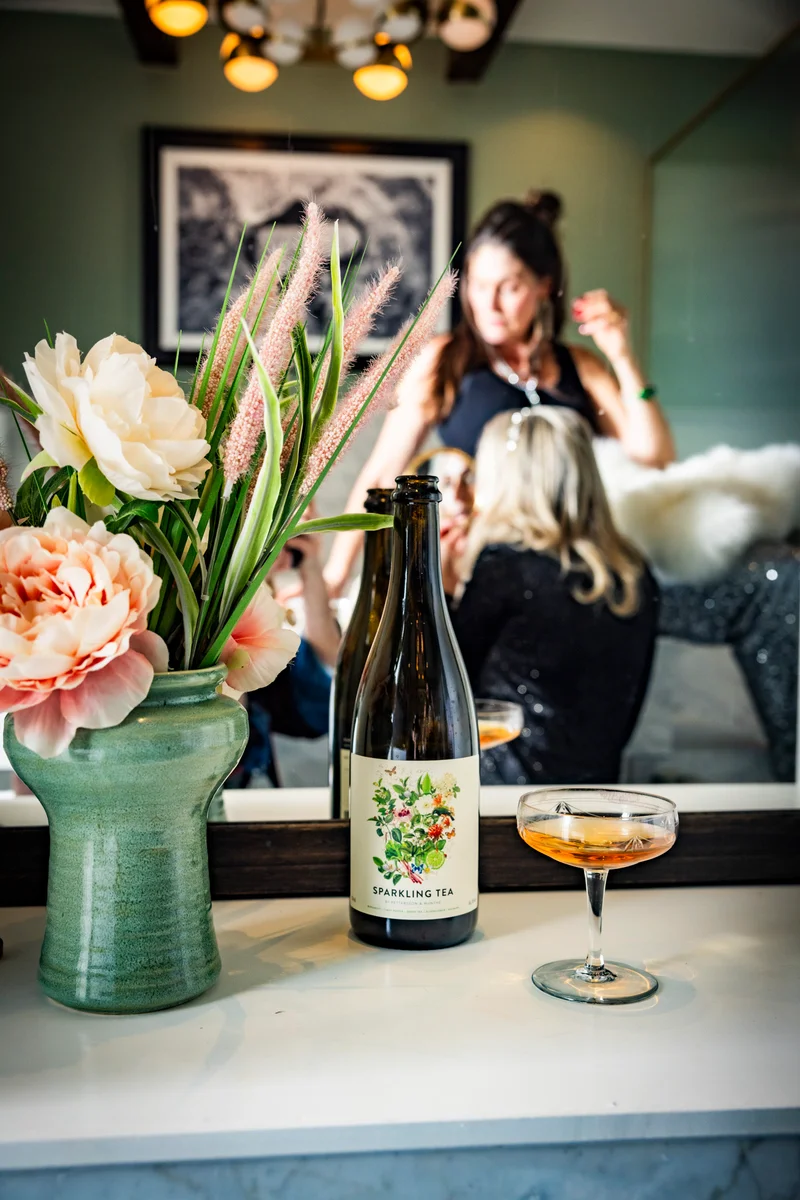
People searching for non-alcoholic wine often want the same things they enjoy about wine: flavour, texture, complexity and a drink that belongs at the dining table.
There are two fundamentally different ways to make that drink. One starts with wine and removes its alcohol. The other starts with ingredients and builds a beverage designed to contain little or no alcohol from the beginning.
Beyond Wine chooses the second approach. That choice shapes our entire collection.
Two ways to make the drink
Make wine, then remove the alcohol.
Dealcoholised wine begins as fermented grape wine. Its alcohol is then removed using equipment such as vacuum distillation systems, spinning-cone columns or filtration membranes.
Alcohol contributes to wine’s body, aroma and balance. Removing it changes the drink. Producers may recover and return aromatic compounds, then adjust sweetness, flavour or texture to compensate for what the process has altered.
Build the drink from the ground up.
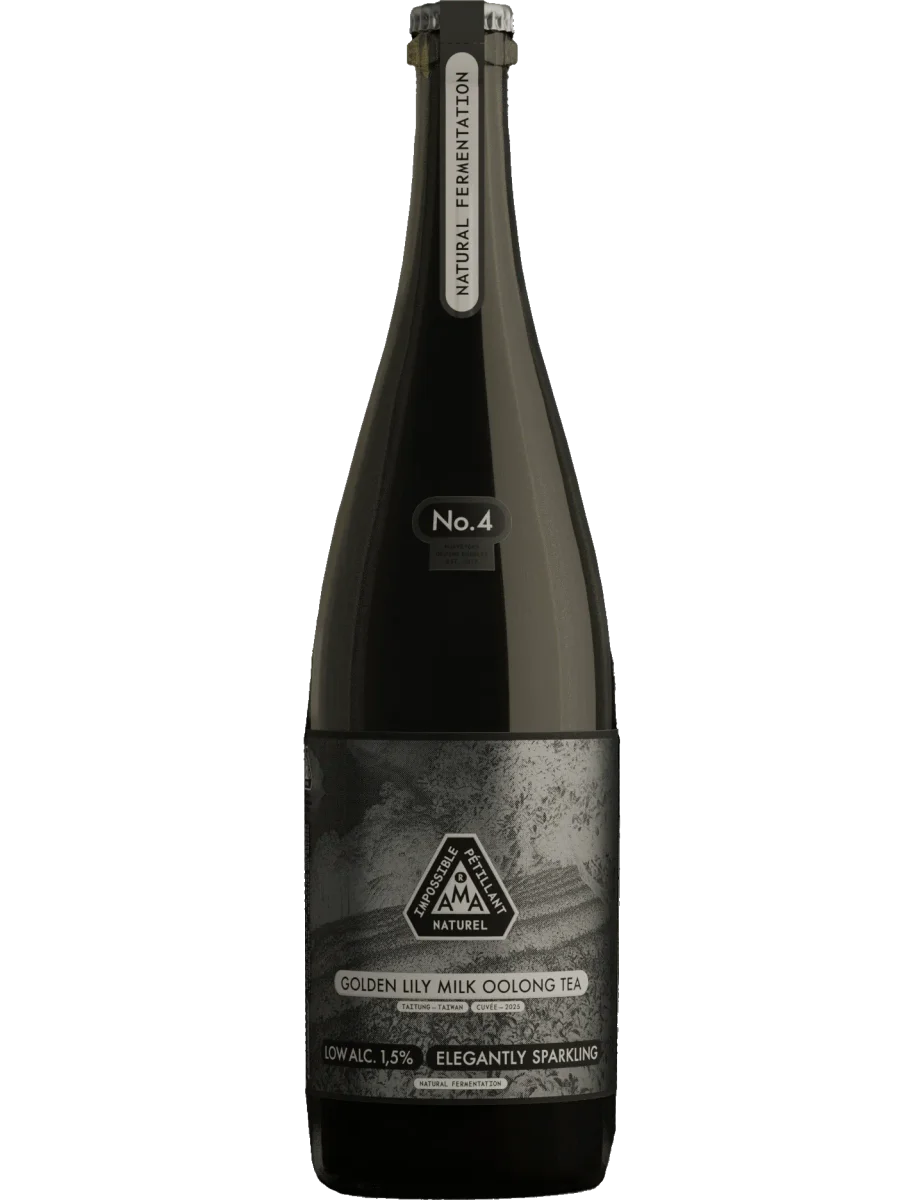
The other approach begins with tea, fruit, herbs, flowers, grains or other ingredients. Makers develop their character through infusion, pressing, fermentation and blending. Where fermentation is involved, they manage it with the intended alcohol level in mind.
Acidity, sweetness, tannin, aroma and texture are developed as parts of the finished drink from the outset. The result might be a sparkling tea, a fruit ferment or a blend of several separately prepared ingredients.
It does not need to imitate Chardonnay or Pinot Noir to deserve a place at the table.
Why we reject dealcoholisation
We reject dealcoholisation for the same reason we reject heavily processed food: what happens to an ingredient matters.
Making wine, removing its alcohol through industrial processing, and then correcting the resulting losses of flavour and texture is an approach we do not want to support.
Our objection begins with the process itself. We favour working with the character of ingredients. Dealcoholisation introduces a separation stage that changes a wine after fermentation has already created its balance.
What happens afterwards matters just as much. Grape concentrates, flavourings and texture-building ingredients can be used to rebuild the drink. These are documented production practices. Our concern is the approach they represent: removing a central component, then compensating for its absence through further intervention.
For us, quality includes how flavour is achieved. We care about what reaches the glass and the steps it took to get there.
There is an environmental cost to consider too. Alcohol removal adds processing and resource use. When wine travels to a separate facility for treatment, it also adds transport. The footprint depends on the equipment, energy supply and production arrangements, but those additional demands deserve scrutiny.
We see no reason to make this industrial detour the foundation of our collection. Ingredients and fermentation already offer a world of possibilities for drinks with little or no alcohol.
Beyond Wine excludes dealcoholised wines and beverages blended with them. This is a deliberate standard for our platform.
What we mean by specialty beverages
Specialty beverages are drinks worth understanding through their ingredients, origin, methods and sensory character.
Think of specialty coffee. The interest extends beyond whether a cup contains caffeine. It includes the grower, the raw material, how it was processed and what those choices contribute to its flavour.
We bring that attention to no- and low-alcohol drinks for the dining table.
Our scope includes teas and botanical infusions, sparkling teas, kombuchas, other craft ferments, juices and blends. A single ingredient handled well can offer as much interest as a complex recipe. The number of ingredients tells you little about the quality of the drink.
“Specialty” is our focus, not a certification. A premium price, an elaborate label or a wine-shaped bottle does not establish it.
The drink must give us a reason to pay attention.
Why we prefer this approach
Starting with ingredients gives a maker freedom to develop a drink on its own terms.
Tea can contribute tannin and aroma. Fruit can bring acidity, texture and depth. Herbs can add bitterness and fragrance. Fermentation can develop new flavours and change the relationship between them.
The ambition is a complete drink: something you choose for the pleasure it offers.
That opens possibilities for the table. A sommelier can work with the drink’s actual acidity, texture, sweetness and aroma. A diner can discover a flavour they have never encountered before. Neither needs to judge every glass by how closely it resembles wine.
Our preference is for thoughtful, restrained intervention that develops the ingredients’ character. Every method should have a purpose.
How we select beverages
We assess each beverage individually. Including one bottle does not automatically qualify everything its producer makes.
Four questions guide our selection:
- Ingredients: What goes into the drink? What is known about the quality and origin of those ingredients?
- Character: What makes it distinctive? Does it offer the flavour, structure and balance to hold our attention at the table?
- Craft: How does the maker develop those ingredients into the finished beverage?
- Transparency: Can we understand what is in it and how it is made?
Restaurant listings and reputation can lead us to a producer. They do not replace those questions.
We examine processing with the same attention. Filtration or pasteurisation does not automatically disqualify a beverage. We consider what a method does, why it is used and how it affects the finished drink.
Our collection has a defined scope. Alongside dealcoholised wine, we exclude non-alcoholic beer, spirit substitutes, mocktails and mixers.
How beverages enter the platform
Selection is followed by research and documentation.
We examine producer materials, interviews and other identifiable sources to document the relevant beverages, ingredients, techniques and people. Factual information must be traceable to its source and pass the platform’s review process before publication.
We distinguish a producer’s description from our own editorial judgment. If a producer describes a drink as mineral, floral or suited to a particular dish, we attribute that description. We do not turn it into an independent tasting verdict.
Missing information stays missing until it can be supported. Conflicting accounts require examination. The platform shows what has been documented so far; inclusion does not mean every detail is known.
Payment does not buy inclusion, ranking or recommendation.
The purpose is to give sommeliers and curious diners enough reliable information to understand a drink, choose it and serve it with confidence.
Does specialty mean alcohol-free?
No. Beyond Wine covers both no- and low-alcohol beverages.
Fermented drinks can contain alcohol. Check the declaration for the individual bottle: “less than 0.5% ABV” is different from “0.0%”. ABV means alcohol by volume. An unknown alcohol content must never be treated as zero.
Find something worth drinking
Explore the collection through its ingredients, makers and methods. Discover what tea, fruit, botanicals and fermentation can bring to your table.
Start with curiosity about what is in the glass.
Further reading: How dealcoholisation works.